Talent is everywhere.
Rolodexes aren't.
Meluvia is a curated founder–investor network, rooted in South Africa and pointed at the rest of the world. We make the introductions that were never going to happen on their own.
Every market grows founders who are good enough. Not every market grows the relationships that turn good enough into funded. Nobody puts that on a slide, and it decides more outcomes than product quality does.
You can watch it happen here in real time. A founder with actual revenue and actual customers spends nine months firing cold emails into a void, hears almost nothing back, and quietly concludes that South African investors are a myth. Two suburbs away, an investor with money to deploy is complaining there's nothing worth backing. Both are describing their own experience accurately. Neither has a reliable way of reaching the other.
That's the whole problem. It's boring, it's structural, and it's fixable.
Meluvia is the fix. Not a directory. Not a pitch night where you get four minutes and a lukewarm samosa. A small group of people vetted on both sides of the table, introduced to each other on purpose, by someone who has read both files.
Why this exists
Money in emerging markets moves through people rather than processes. That isn't a moral failing, it's risk management. When an investor can't easily verify what you're telling them, a warm introduction from someone credible does real work: it lends you a slice of that person's reputation.
Which is fine, right up until you're standing outside the relevant network. If you didn't attend the right school, work at the right firm, or grow up around people who write cheques for a living, the warm introduction simply isn't on the menu. You get judged against a standard nobody mentioned.
"The right introduction at the right moment changes everything. That's what we're here to make happen."
We're not going to claim that one network fixes structural inequality in access to capital. It doesn't. What we can do is widen the door for the founders who come through us, and make sure the introduction carries weight when it lands. That means being unreasonably fussy about who we make it for.
Who is behind it
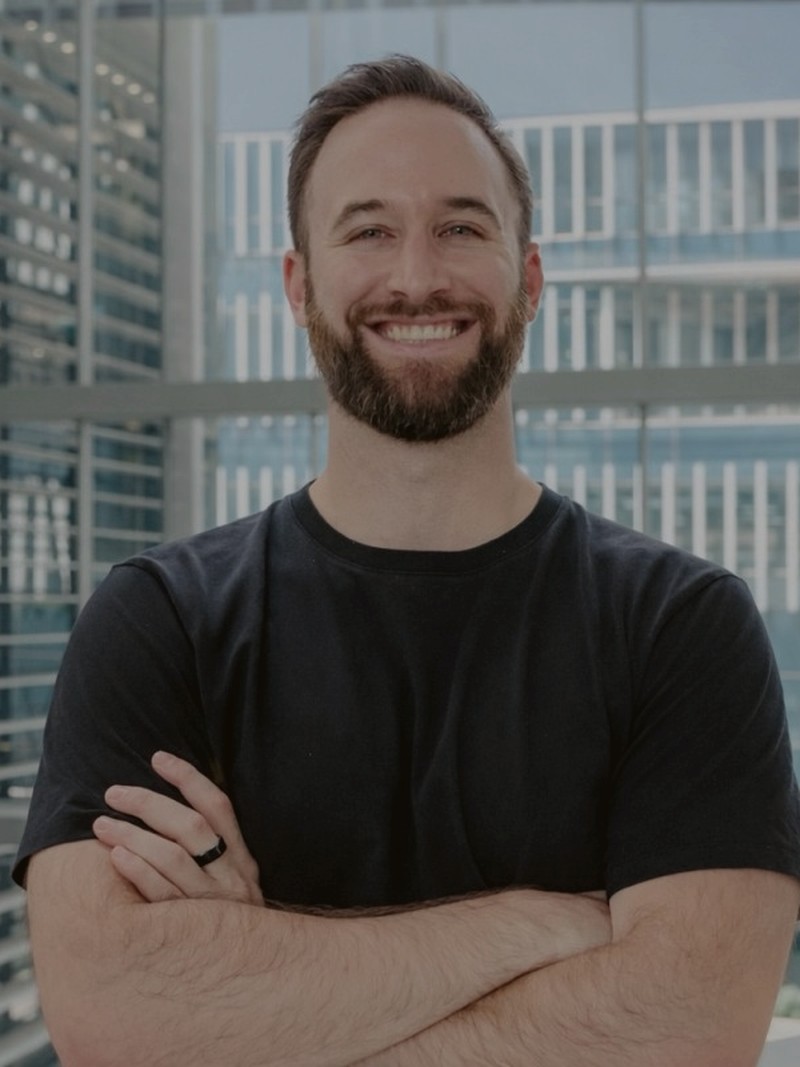
Meluvia was founded by Bryce Cressy, whose background runs through finance, banking and technology. Handy combination for this particular problem. It means having sat on the side of the table asking the uncomfortable questions, and the side that then has to go and build the thing being questioned.
Here's why that matters. Most founders don't get rejected for the reason they think. They get rejected because one specific, answerable question about the business went unanswered in the deck, and nobody told them which question it was. Knowing what an investment committee argues about once the founder leaves the room is the difference between advice that helps and advice that flatters.
The network itself is seven-plus years of relationship-building across founders, operators, CEOs and investors. Roughly 6,000 people, twenty-plus countries. Those relationships are the real asset here. Meluvia is the machinery that puts them to work for people who didn't inherit them.
How it works
Three steps, and no algorithm pretending to have judgement.
1. You apply
A short form: your background, what you're building, what you need. Five minutes. A human reads it.
2. We verify
Light touch. LinkedIn, a bit of background, a short call. With founders we're trying to work out what you need, because "funding" is rarely the full answer. With investors we want the real thesis: stage, cheque size, sector, geography, and above all what you say no to. The exclusions tell us more than the inclusions.
3. Introductions start
Founders meet investors who fit their stage and sector. Investors see deals that fit the thesis they gave us. Nobody receives a mass email. Ever.
- Take a success fee on money you raise.
- Forward investors deals outside their thesis so we look busy.
- Promise introductions we can't make, or outcomes nobody can control. We own the quality of the connection. What happens in the room is between you two.
- Give investment advice. Diligence and decisions stay firmly with you.
What we look for
Something real
A product, a customer, a pilot, or a straight answer about how you get one. Stage matters less than evidence you're building rather than describing.
A specific ask
"Any investor" isn't an ask. Founders who know what kind of capital they need get sharper introductions, for the simple reason that we can aim.
Give something back
The people who get the most out of this network are the ones who answer someone else's question too. It's what stops the whole thing turning into a graveyard of unread messages.
Rooted here. Not stuck here.
Our centre of gravity is South Africa, on purpose. It's the market we know at street level, including the parts that never make it into a market report. The network doesn't stop at the border though. Members are building and investing from cities including Johannesburg, Cape Town, London, Manchester, New York and Austin.
For founders, that means "local investor" stops being your only category. Built something with global reach? Then go and talk to capital that thinks globally. For investors, it means access to markets where nobody has bid the valuations into orbit yet, sourced by people who live there.
Want to see it in practice? The case studies walk through three introductions and what came of each. Still earlier than that, and working out how any of this operates? Start with the guides.
The founding cohort is open
We're onboarding our first twenty founders and investors. A person reads every application, and you'll hear back within three to five business days either way.